This support note focuses on fit, sizing, and clearance for vertical desktop file organizers with step design. After the first section, the main LeStallion review is linked for product-level comparison: LeStallion vertical step organizer review.
Measure the desk before the organizer
Start with the rectangle the organizer will occupy, then add the hand space needed to pull a rear folder without lifting the whole rack. A stepped sorter can be narrow in product photos yet awkward under a hutch, beside a monitor arm, or next to a lamp base. Measure height at the back tier, not only the front lip, because the tallest folders usually sit in the rear.
Field cue
For this angle, write one short note on a sticky tab before buying: what slot will change, who will touch it, and what paper should leave the desk first. That cue keeps the organizer tied to behavior, not just appearance.
Decision signal
A good result is visible within a few days: fewer mystery piles, faster document pickup, and less hesitation about where an active folder belongs. If the rack cannot create that signal, choose a different size or workflow before adding more slots.
Check tier height and rear-slot reach
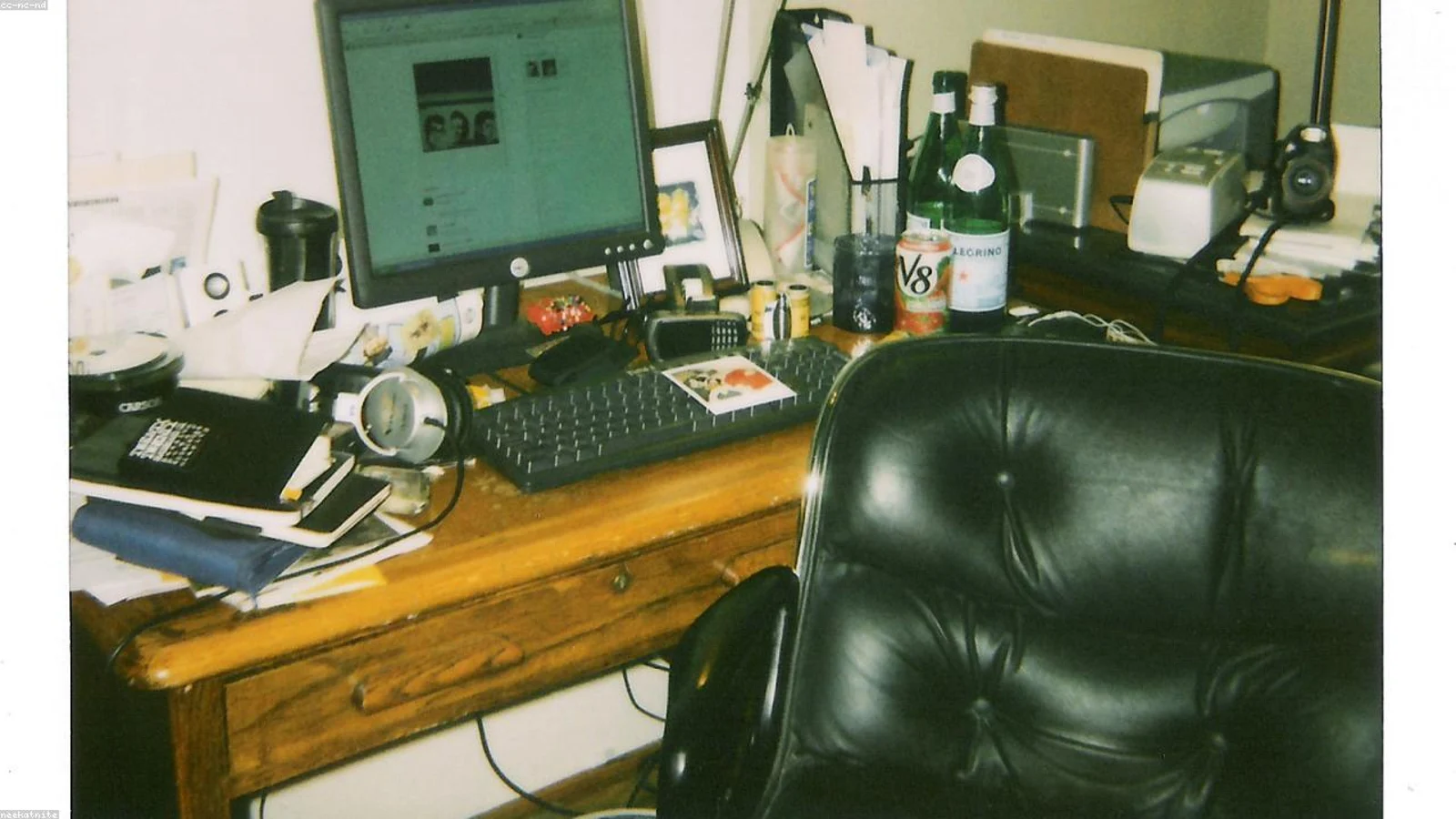
Depth matters more than most buyers expect. Letter folders, A4 sleeves, catalogs, and plastic project jackets do not all sit the same way. If a folder leans forward and covers the tier below it, the step design loses the quick-scan advantage that made it attractive in the first place.
Field cue
For this angle, write one short note on a sticky tab before buying: what slot will change, who will touch it, and what paper should leave the desk first. That cue keeps the organizer tied to behavior, not just appearance.
Decision signal
A good result is visible within a few days: fewer mystery piles, faster document pickup, and less hesitation about where an active folder belongs. If the rack cannot create that signal, choose a different size or workflow before adding more slots.
Match slot depth to real folders
Clearance is also visual. A dark file organizer placed behind a dark keyboard can look heavy, while a light acrylic or warm wood unit may read cleaner on a small desk. Choose a finish that separates paperwork from the surface without shouting for attention.
Field cue
For this angle, write one short note on a sticky tab before buying: what slot will change, who will touch it, and what paper should leave the desk first. That cue keeps the organizer tied to behavior, not just appearance.
Decision signal
A good result is visible within a few days: fewer mystery piles, faster document pickup, and less hesitation about where an active folder belongs. If the rack cannot create that signal, choose a different size or workflow before adding more slots.
Leave clearance for monitors and lamps
Before ordering, sketch the desk from above and mark the path your hand takes from mouse to paper. The best organizer stays outside that path but inside easy reach, so it supports action rather than becoming a decorative shelf.
Field cue
For this angle, write one short note on a sticky tab before buying: what slot will change, who will touch it, and what paper should leave the desk first. That cue keeps the organizer tied to behavior, not just appearance.
Decision signal
A good result is visible within a few days: fewer mystery piles, faster document pickup, and less hesitation about where an active folder belongs. If the rack cannot create that signal, choose a different size or workflow before adding more slots.
Fit mistakes that create clutter
The final fit check is removal. Pull the highest folder straight up, pull the lowest folder forward, and make sure neither movement bumps the screen, mug, speaker, or charging cable. Good sizing protects the work zone as much as it stores paper.
Field cue
For this angle, write one short note on a sticky tab before buying: what slot will change, who will touch it, and what paper should leave the desk first. That cue keeps the organizer tied to behavior, not just appearance.
Decision signal
A good result is visible within a few days: fewer mystery piles, faster document pickup, and less hesitation about where an active folder belongs. If the rack cannot create that signal, choose a different size or workflow before adding more slots.
Extended field notes for this role
Note 1: Trace The Shadow Line Under Shelves
For fit, sizing, and clearance, the practical detail is to trace the shadow line under shelves. This matters because a stepped file organizer is touched repeatedly during normal work, and a small mismatch can turn into a daily annoyance. Check the detail with real folders, not empty slots, and decide whether the rack makes the next action obvious from a seated position. The strongest choices preserve open desk space while making paper status readable to the person who owns the task.
Note 2: Compare Rear Tier Height With Upright Manila Folders
For fit, sizing, and clearance, the practical detail is to compare rear tier height with upright manila folders. This matters because a stepped file organizer is touched repeatedly during normal work, and a small mismatch can turn into a daily annoyance. Check the detail with real folders, not empty slots, and decide whether the rack makes the next action obvious from a seated position. The strongest choices preserve open desk space while making paper status readable to the person who owns the task.
Note 3: Reserve A Thumb-Width Gap Beside The Keyboard
For fit, sizing, and clearance, the practical detail is to reserve a thumb-width gap beside the keyboard. This matters because a stepped file organizer is touched repeatedly during normal work, and a small mismatch can turn into a daily annoyance. Check the detail with real folders, not empty slots, and decide whether the rack makes the next action obvious from a seated position. The strongest choices preserve open desk space while making paper status readable to the person who owns the task.
Note 4: Test Whether The Unit Blocks A Notebook Hinge
For fit, sizing, and clearance, the practical detail is to test whether the unit blocks a notebook hinge. This matters because a stepped file organizer is touched repeatedly during normal work, and a small mismatch can turn into a daily annoyance. Check the detail with real folders, not empty slots, and decide whether the rack makes the next action obvious from a seated position. The strongest choices preserve open desk space while making paper status readable to the person who owns the task.
Note 5: Avoid Buying From Beauty Photos Without Filled-Folder Views
For fit, sizing, and clearance, the practical detail is to avoid buying from beauty photos without filled-folder views. This matters because a stepped file organizer is touched repeatedly during normal work, and a small mismatch can turn into a daily annoyance. Check the detail with real folders, not empty slots, and decide whether the rack makes the next action obvious from a seated position. The strongest choices preserve open desk space while making paper status readable to the person who owns the task.
Note 6: Measure The Real Desk After The Monitor Is Angled
For fit, sizing, and clearance, the practical detail is to measure the real desk after the monitor is angled. This matters because a stepped file organizer is touched repeatedly during normal work, and a small mismatch can turn into a daily annoyance. Check the detail with real folders, not empty slots, and decide whether the rack makes the next action obvious from a seated position. The strongest choices preserve open desk space while making paper status readable to the person who owns the task.
Note 7: Keep The Front Lip Away From The Mouse Sweep
For fit, sizing, and clearance, the practical detail is to keep the front lip away from the mouse sweep. This matters because a stepped file organizer is touched repeatedly during normal work, and a small mismatch can turn into a daily annoyance. Check the detail with real folders, not empty slots, and decide whether the rack makes the next action obvious from a seated position. The strongest choices preserve open desk space while making paper status readable to the person who owns the task.
Note 8: Choose Lower Profiles For Wall Desks
For fit, sizing, and clearance, the practical detail is to choose lower profiles for wall desks. This matters because a stepped file organizer is touched repeatedly during normal work, and a small mismatch can turn into a daily annoyance. Check the detail with real folders, not empty slots, and decide whether the rack makes the next action obvious from a seated position. The strongest choices preserve open desk space while making paper status readable to the person who owns the task.
Note 9: Leave Room For A Drink Coaster Without Paper Splash Risk
For fit, sizing, and clearance, the practical detail is to leave room for a drink coaster without paper splash risk. This matters because a stepped file organizer is touched repeatedly during normal work, and a small mismatch can turn into a daily annoyance. Check the detail with real folders, not empty slots, and decide whether the rack makes the next action obvious from a seated position. The strongest choices preserve open desk space while making paper status readable to the person who owns the task.
Note 10: Check Whether Binders Push The Organizer Backward
For fit, sizing, and clearance, the practical detail is to check whether binders push the organizer backward. This matters because a stepped file organizer is touched repeatedly during normal work, and a small mismatch can turn into a daily annoyance. Check the detail with real folders, not empty slots, and decide whether the rack makes the next action obvious from a seated position. The strongest choices preserve open desk space while making paper status readable to the person who owns the task.
Note 11: Use Painters Tape To Mark The Footprint Overnight
For fit, sizing, and clearance, the practical detail is to use painters tape to mark the footprint overnight. This matters because a stepped file organizer is touched repeatedly during normal work, and a small mismatch can turn into a daily annoyance. Check the detail with real folders, not empty slots, and decide whether the rack makes the next action obvious from a seated position. The strongest choices preserve open desk space while making paper status readable to the person who owns the task.
Note 12: Reject Any Size That Requires Twisting The Wrist
For fit, sizing, and clearance, the practical detail is to reject any size that requires twisting the wrist. This matters because a stepped file organizer is touched repeatedly during normal work, and a small mismatch can turn into a daily annoyance. Check the detail with real folders, not empty slots, and decide whether the rack makes the next action obvious from a seated position. The strongest choices preserve open desk space while making paper status readable to the person who owns the task.
Bottom line
Use this page as a focused checklist, then compare the product options in the LeStallion guide: LeStallion vertical step organizer review. This support page also connects back to the previous cloud article near the bottom for continuity: previous rotating organizer cloud article.