This support note focuses on small office use case for vertical desktop file organizers with step design. After the first section, the main LeStallion review is linked for product-level comparison: LeStallion vertical step organizer review.
Reception desk morning intake
Picture a small office that handles walk-in forms, supplier invoices, client folders, and shipping documents from the same counter. A step organizer gives each paper type a visible pause point without requiring a cabinet drawer for every action.
Field cue
For this angle, write one short note on a sticky tab before buying: what slot will change, who will touch it, and what paper should leave the desk first. That cue keeps the organizer tied to behavior, not just appearance.
Decision signal
A good result is visible within a few days: fewer mystery piles, faster document pickup, and less hesitation about where an active folder belongs. If the rack cannot create that signal, choose a different size or workflow before adding more slots.
Client folder review station
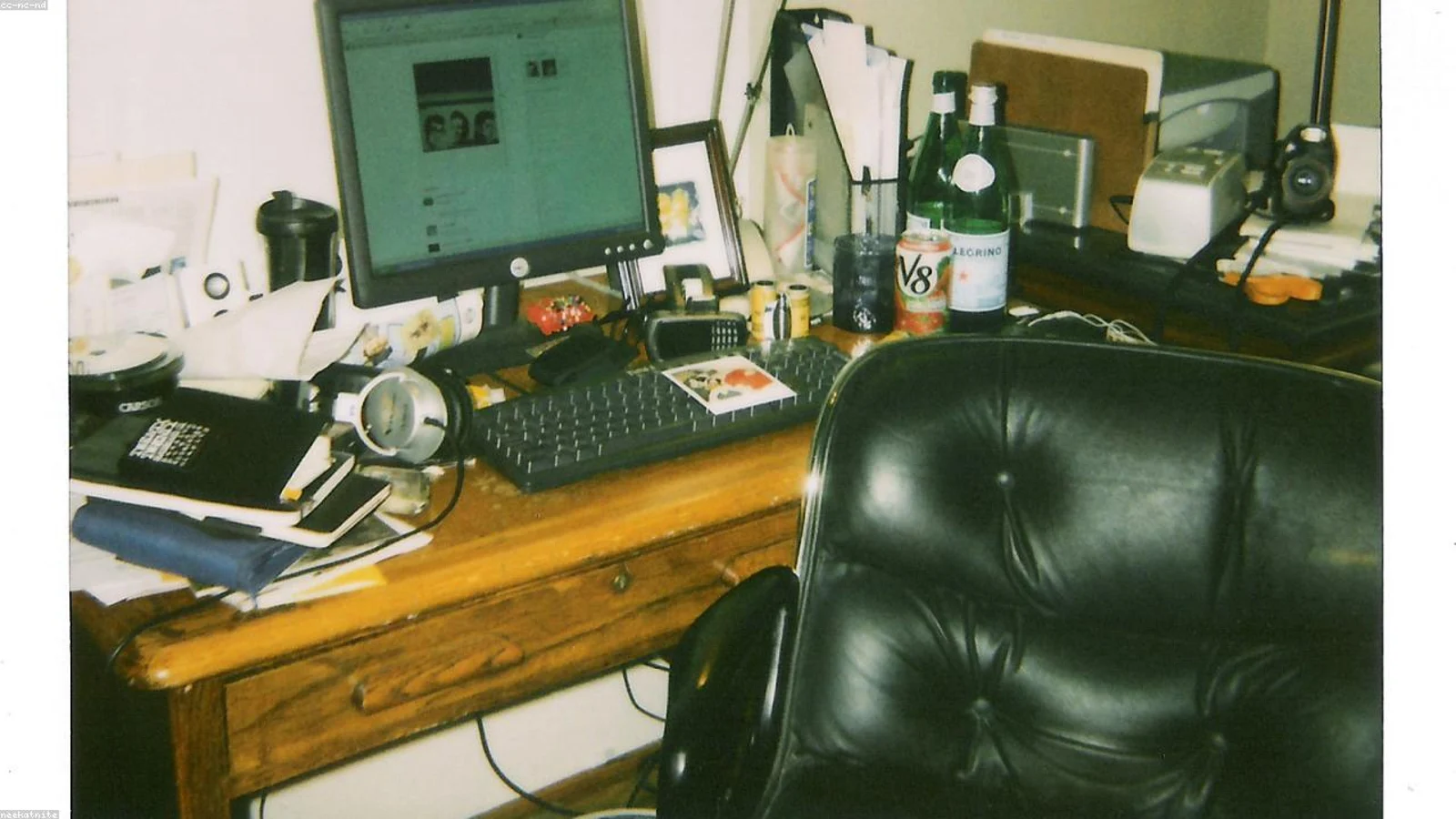
In the morning, the front tier can hold forms that must be answered before noon. The next tier can hold documents waiting on a signature. Rear tiers can hold reference packets that staff need often but should not spread across the counter.
Field cue
For this angle, write one short note on a sticky tab before buying: what slot will change, who will touch it, and what paper should leave the desk first. That cue keeps the organizer tied to behavior, not just appearance.
Decision signal
A good result is visible within a few days: fewer mystery piles, faster document pickup, and less hesitation about where an active folder belongs. If the rack cannot create that signal, choose a different size or workflow before adding more slots.
Shipping and invoice paperwork
Client folders need a stricter rule: no sensitive document should sit open or exposed. Use closed folders, turn labels inward when appropriate, and move completed files to secure storage rather than leaving them in the display rack.
Field cue
For this angle, write one short note on a sticky tab before buying: what slot will change, who will touch it, and what paper should leave the desk first. That cue keeps the organizer tied to behavior, not just appearance.
Decision signal
A good result is visible within a few days: fewer mystery piles, faster document pickup, and less hesitation about where an active folder belongs. If the rack cannot create that signal, choose a different size or workflow before adding more slots.
Shared desk handoff rules
Shipping and invoice paperwork benefits from a separate outgoing tier. When the carrier label, packing slip, and receipt all have one place to wait, fewer documents disappear under keyboards or product samples.
Field cue
For this angle, write one short note on a sticky tab before buying: what slot will change, who will touch it, and what paper should leave the desk first. That cue keeps the organizer tied to behavior, not just appearance.
Decision signal
A good result is visible within a few days: fewer mystery piles, faster document pickup, and less hesitation about where an active folder belongs. If the rack cannot create that signal, choose a different size or workflow before adding more slots.
Friday close-down routine
Friday close-down is the proof. If the organizer can be cleared, relabeled, and reduced to only Monday's active papers in ten minutes, the step design is supporting the office rather than collecting yesterday's clutter.
Field cue
For this angle, write one short note on a sticky tab before buying: what slot will change, who will touch it, and what paper should leave the desk first. That cue keeps the organizer tied to behavior, not just appearance.
Decision signal
A good result is visible within a few days: fewer mystery piles, faster document pickup, and less hesitation about where an active folder belongs. If the rack cannot create that signal, choose a different size or workflow before adding more slots.
Extended field notes for this role
Note 1: Open The Reception Counter With Empty Front Space
For small office use case, the practical detail is to open the reception counter with empty front space. This matters because a stepped file organizer is touched repeatedly during normal work, and a small mismatch can turn into a daily annoyance. Check the detail with real folders, not empty slots, and decide whether the rack makes the next action obvious from a seated position. The strongest choices preserve open desk space while making paper status readable to the person who owns the task.
Note 2: Place Signed Client Folders Behind Active Forms
For small office use case, the practical detail is to place signed client folders behind active forms. This matters because a stepped file organizer is touched repeatedly during normal work, and a small mismatch can turn into a daily annoyance. Check the detail with real folders, not empty slots, and decide whether the rack makes the next action obvious from a seated position. The strongest choices preserve open desk space while making paper status readable to the person who owns the task.
Note 3: Move Invoices Before They Bury Receipts
For small office use case, the practical detail is to move invoices before they bury receipts. This matters because a stepped file organizer is touched repeatedly during normal work, and a small mismatch can turn into a daily annoyance. Check the detail with real folders, not empty slots, and decide whether the rack makes the next action obvious from a seated position. The strongest choices preserve open desk space while making paper status readable to the person who owns the task.
Note 4: Use Closed Folders For Private Paperwork
For small office use case, the practical detail is to use closed folders for private paperwork. This matters because a stepped file organizer is touched repeatedly during normal work, and a small mismatch can turn into a daily annoyance. Check the detail with real folders, not empty slots, and decide whether the rack makes the next action obvious from a seated position. The strongest choices preserve open desk space while making paper status readable to the person who owns the task.
Note 5: Keep Shipping Documents In One Outgoing Tier
For small office use case, the practical detail is to keep shipping documents in one outgoing tier. This matters because a stepped file organizer is touched repeatedly during normal work, and a small mismatch can turn into a daily annoyance. Check the detail with real folders, not empty slots, and decide whether the rack makes the next action obvious from a seated position. The strongest choices preserve open desk space while making paper status readable to the person who owns the task.
Note 6: Clear The Rack Before Monday Morning
For small office use case, the practical detail is to clear the rack before Monday morning. This matters because a stepped file organizer is touched repeatedly during normal work, and a small mismatch can turn into a daily annoyance. Check the detail with real folders, not empty slots, and decide whether the rack makes the next action obvious from a seated position. The strongest choices preserve open desk space while making paper status readable to the person who owns the task.
Note 7: Separate Supplier Packets From Visitor Forms
For small office use case, the practical detail is to separate supplier packets from visitor forms. This matters because a stepped file organizer is touched repeatedly during normal work, and a small mismatch can turn into a daily annoyance. Check the detail with real folders, not empty slots, and decide whether the rack makes the next action obvious from a seated position. The strongest choices preserve open desk space while making paper status readable to the person who owns the task.
Note 8: Give Each Staff Member The Same Route
For small office use case, the practical detail is to give each staff member the same route. This matters because a stepped file organizer is touched repeatedly during normal work, and a small mismatch can turn into a daily annoyance. Check the detail with real folders, not empty slots, and decide whether the rack makes the next action obvious from a seated position. The strongest choices preserve open desk space while making paper status readable to the person who owns the task.
Note 9: Avoid Displaying Sensitive Names
For small office use case, the practical detail is to avoid displaying sensitive names. This matters because a stepped file organizer is touched repeatedly during normal work, and a small mismatch can turn into a daily annoyance. Check the detail with real folders, not empty slots, and decide whether the rack makes the next action obvious from a seated position. The strongest choices preserve open desk space while making paper status readable to the person who owns the task.
Note 10: Pair The Organizer With A Locked Archive
For small office use case, the practical detail is to pair the organizer with a locked archive. This matters because a stepped file organizer is touched repeatedly during normal work, and a small mismatch can turn into a daily annoyance. Check the detail with real folders, not empty slots, and decide whether the rack makes the next action obvious from a seated position. The strongest choices preserve open desk space while making paper status readable to the person who owns the task.
Note 11: Let The Final Tier Hold Only Reference Packets
For small office use case, the practical detail is to let the final tier hold only reference packets. This matters because a stepped file organizer is touched repeatedly during normal work, and a small mismatch can turn into a daily annoyance. Check the detail with real folders, not empty slots, and decide whether the rack makes the next action obvious from a seated position. The strongest choices preserve open desk space while making paper status readable to the person who owns the task.
Note 12: Measure Success By Faster Close-Down
For small office use case, the practical detail is to measure success by faster close-down. This matters because a stepped file organizer is touched repeatedly during normal work, and a small mismatch can turn into a daily annoyance. Check the detail with real folders, not empty slots, and decide whether the rack makes the next action obvious from a seated position. The strongest choices preserve open desk space while making paper status readable to the person who owns the task.
Bottom line
Use this page as a focused checklist, then compare the product options in the LeStallion guide: LeStallion vertical step organizer review. This support page also connects back to the previous cloud article near the bottom for continuity: previous rotating organizer cloud article.